Context is scattered
Assets, backups, monitoring and configurations live in different tools. Understanding a service means rebuilding its connections by hand.
The systems you already have stay where they are. CIGP connects assets, data, rules and operations in one governed context, so work does not start over in a different console every time.
We do not replace your systems. We bring continuity to how you understand, govern and work with them.
When systems, people and rules speak different languages, continuity depends on the few people who know every step.
Assets, backups, monitoring and configurations live in different tools. Understanding a service means rebuilding its connections by hand.
Connections, procedures and operational choices often depend on the engineer who knows where to look and which console to open.
An approved decision, what happens on the system and the documentation become separate stories that are hard to piece together.
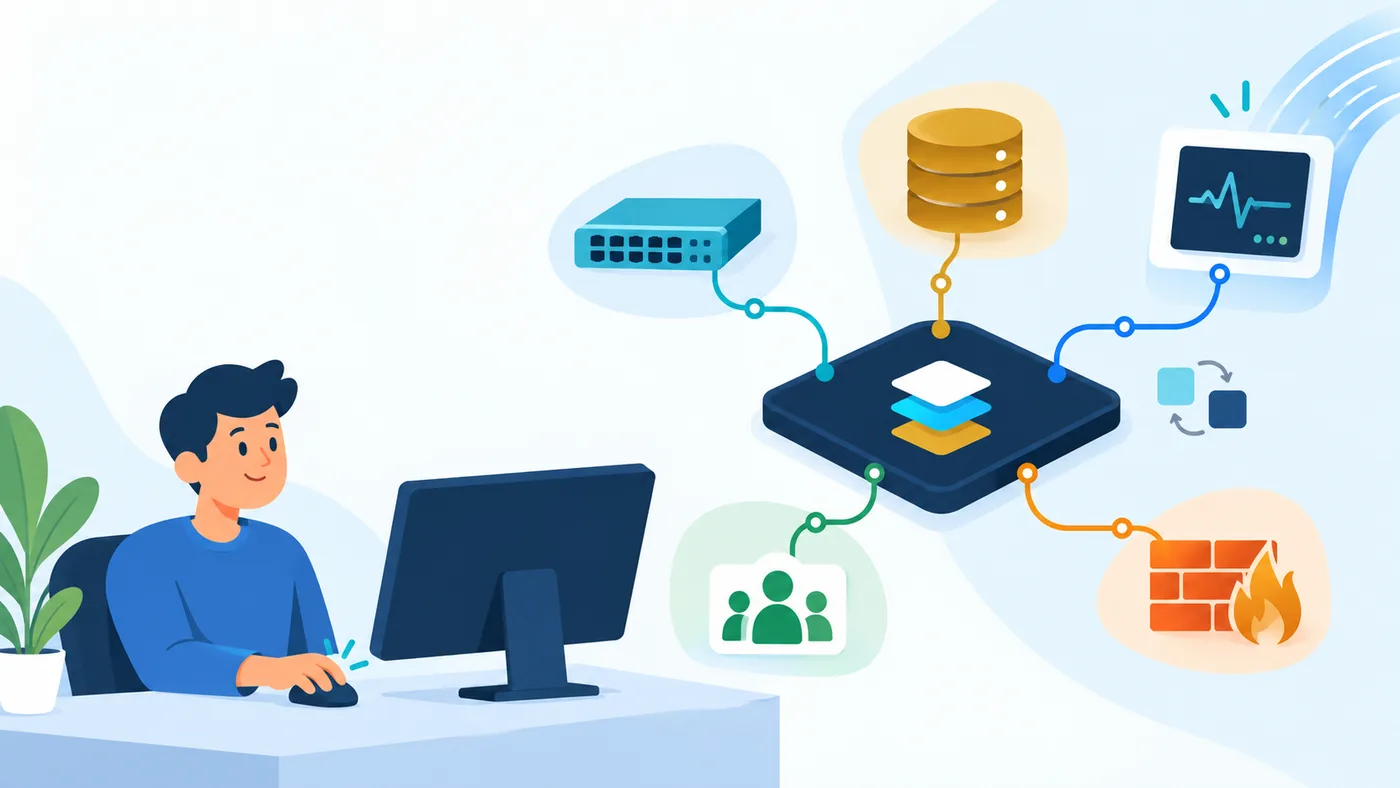
A new technology arrives with its own connection method, language and specifics. CIGP does not erase them. A reusable technical capability connects it to the organization's context, where assets, relationships and rules have a shared meaning.
Teams work from common context. When a vendor changes, they do not have to rebuild governance from scratch.
How the product makes this continuity possibleCIGP defines what objects mean, how they relate and which rules apply. The specifics of each system are brought in through reusable technical capabilities; the shared model does not need to become a different application for every vendor.
A virtual machine, backup job or observation has an explicit identity, attributes and relationships.
Reusable technical capabilities translate the model to real systems without confusing their specifics with the meaning of the data.
Compatible functions can use the same definitions to observe, act, check and document.
Systems and assets remain distinct, but their relationships become visible. The inventory is a basis for decisions, not a disconnected list.
A person selects a target and a relevant action; rules, delegation and technical capabilities determine how to intervene.
Decisions, operations and documents can reuse shared data and relationships instead of being rebuilt in silos.
Not a catalogue of supported products: concrete problems where a shared model changes the work.
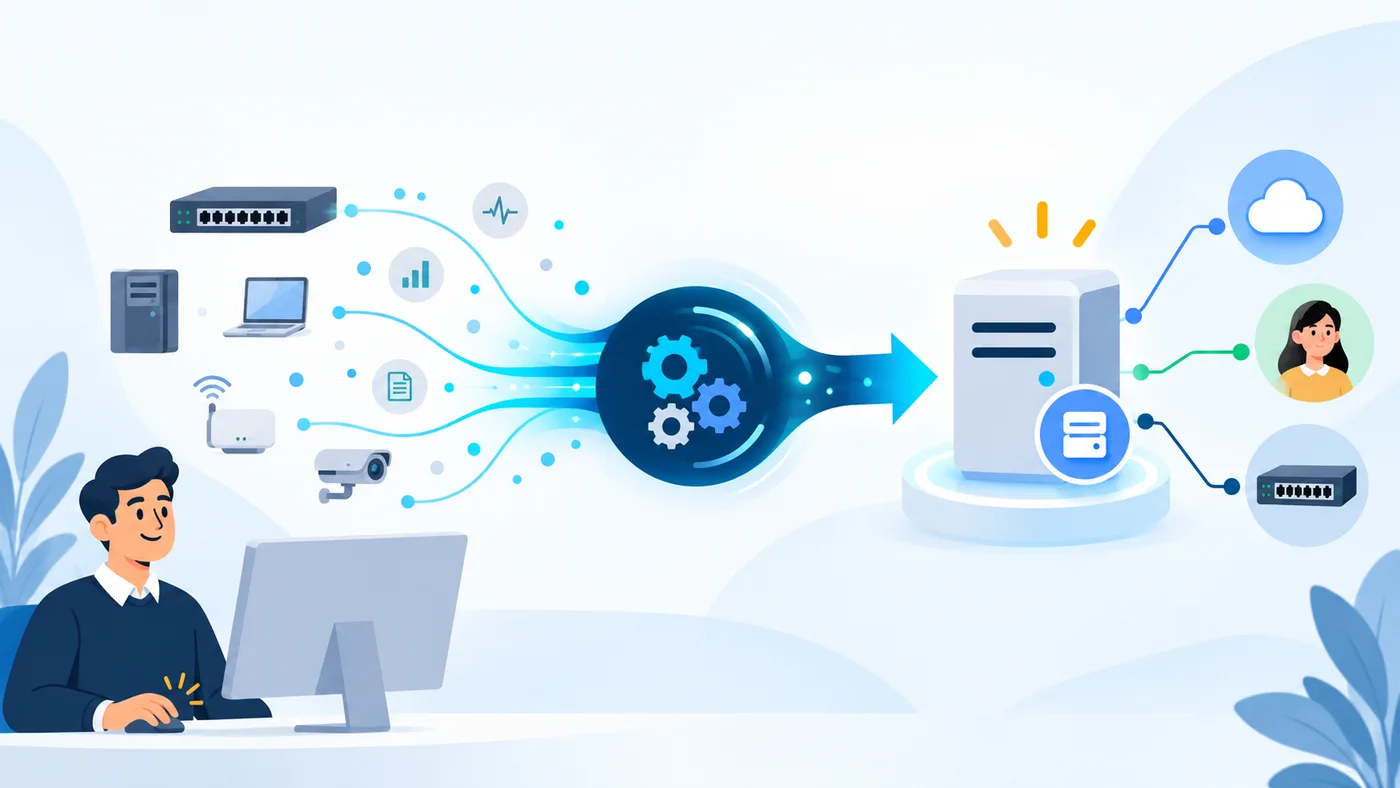
Observations and provenance come together in context people can use to understand and act.
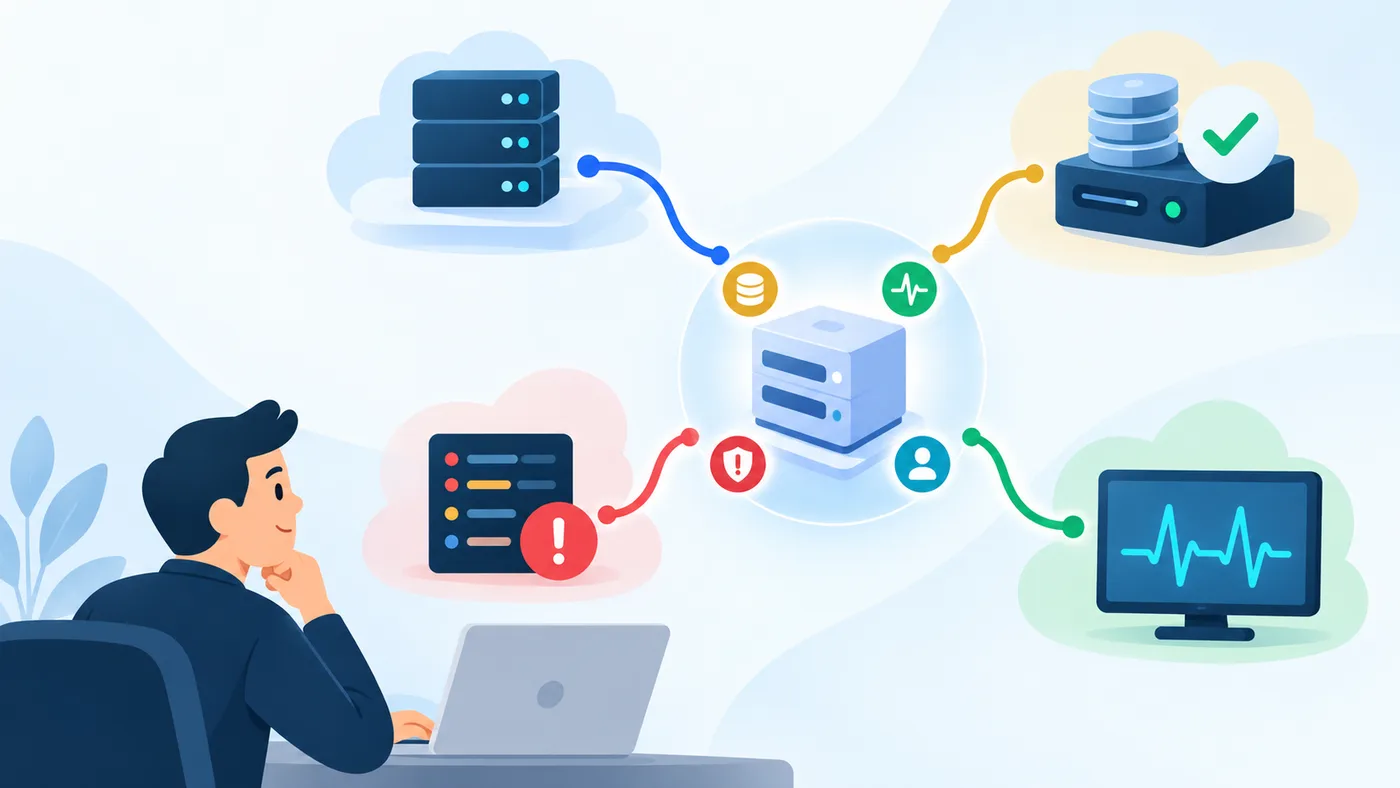
A VM, its backup job and latest result, monitoring and SIEM signals can be read as parts of the same reality.
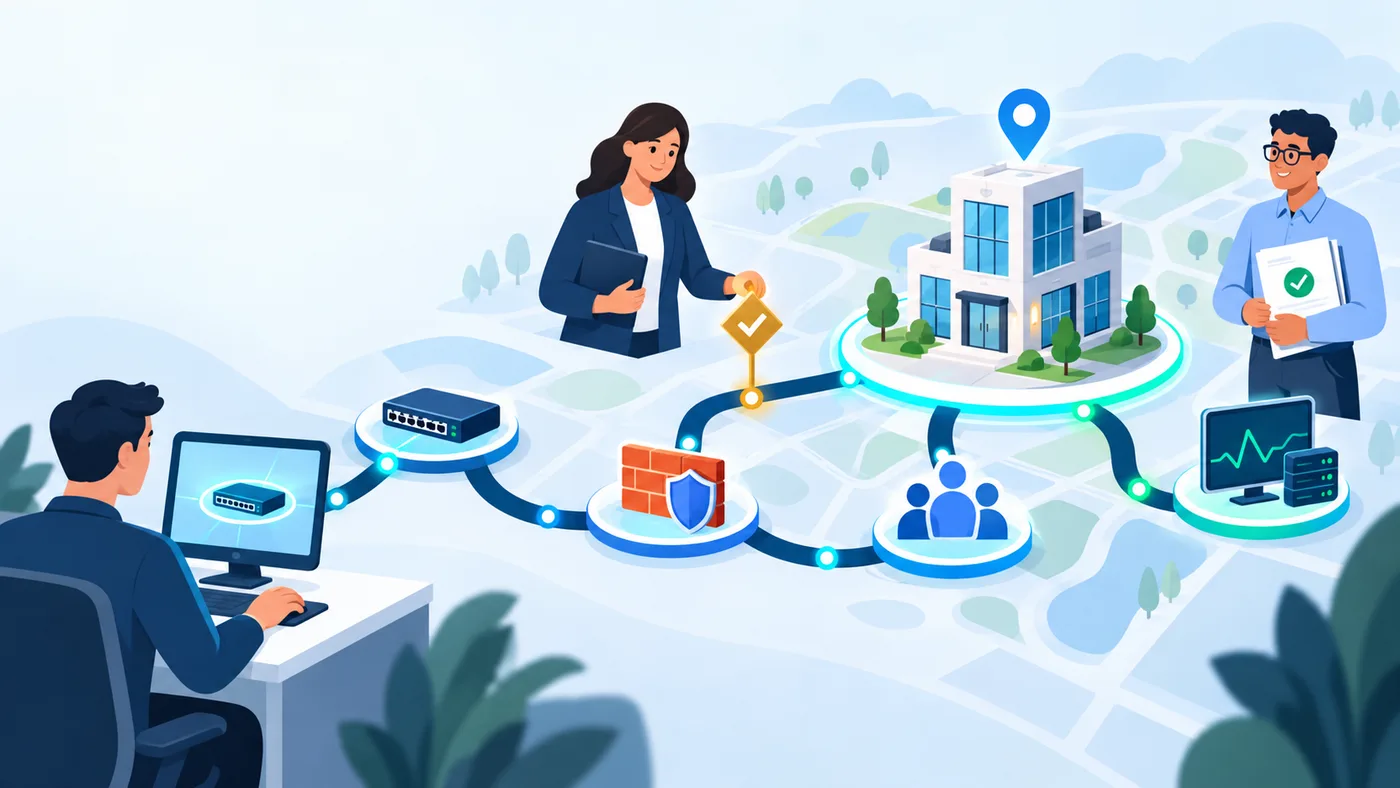
Steps, systems and responsibilities become a governed, reusable procedure.
People sign in with their company identity and work on the targets and actions within their remit. The platform checks their scope before the operation; technical identities and credentials stay server-side.
Seeing a function does not mean you can run it. But the right delegation lets you get the work done.
Policy can intervene before an action. Afterwards, the decision, transaction and outcome stay linked to the target; verification of the resulting state depends on the type of change.
The same data and relationships feed checks and versioned documents, with the necessary review process. Not “automatic compliance” written on a slide.
See the path of a governed action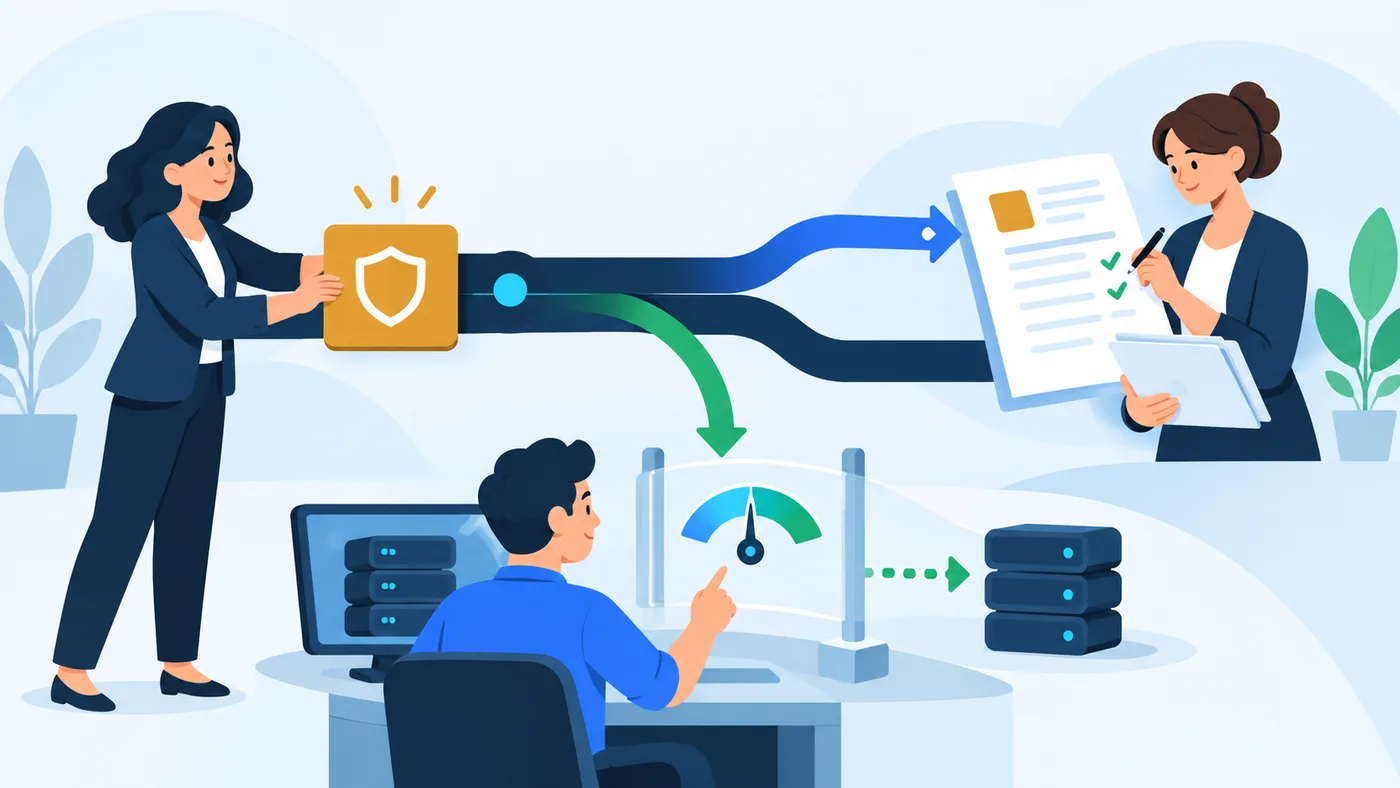
Start with the systems you already have, the people who use them and one concrete operation. Together we can identify where shared context, governance and reusable capabilities bring continuity.
Discuss a critical process